
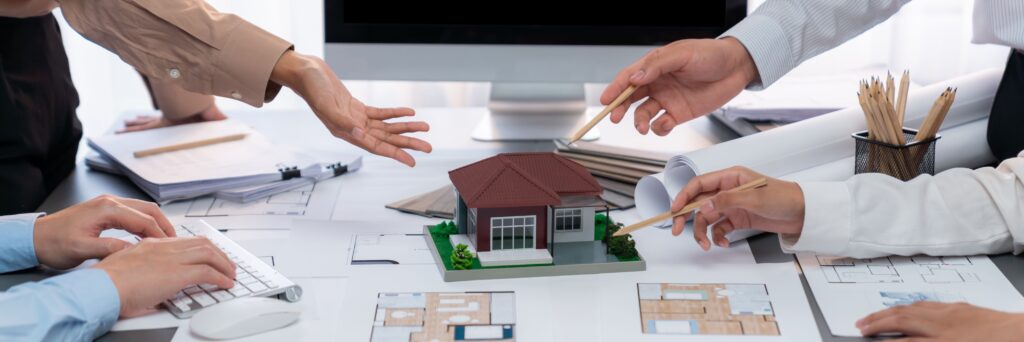
In the Indian context, home design is more than just aesthetics, it is about creating a space that fosters harmony, positivity, and well-being. Vastu Shastra, the ancient Indian architectural science, plays a key role in influencing how many Indian families design their homes. However, with the growing popularity of sleek, contemporary spaces, a question often arises: Can a home be Vastu-compliant and still look modern?
The answer is yes. Modern homes are all about minimalism, clean lines, intelligent use of space, and functional aesthetics. Vastu, meanwhile, emphasises the alignment of energy by positioning rooms according to the five elements of nature and cardinal directions. When approached thoughtfully, these two worlds can coexist beautifully creating a home that feels good, flows well, and looks stunning.
Let’s explore how to plan a Vastu-compliant home without compromising modern design.
1. Understand Core Vastu Principles Before You Begin
To blend Vastu with modern design, the first step is to understand the basic directional principles and the elements associated with each zone. Here’s a simple breakdown of the most essential Vastu directions and their suggested uses:
- North-East (Ishan): Ideal for puja room or meditation space; brings spiritual energy and tranquility.
- South-East (Agni): Perfect for the kitchen; represents the fire element.
- South-West (Nairutya): Best suited for the master bedroom; symbolises strength and stability.
- North-West (Vayavya): Suitable for guest rooms or bathrooms; relates to the air element.
- East and North: Recommended for entrances and living areas; bring in natural light and positive energy.
Having this foundation helps you approach your layout with confidence and clarity, and ensures that each zone of the home contributes positively to your living experience.
2. Harmonise Open Layouts with Directional Zoning
One of the defining features of modern design is the open layout concept. It allows spaces to flow seamlessly into one another like having an open kitchen that merges with the dining and living areas. While Vastu suggests specific directions for individual rooms, you don’t have to sacrifice the openness to follow it.
Instead, apply zoning logic within the open layout. For example, the kitchen can still be positioned in the south-east corner of the open floor plan, even if it is visually connected to the dining and living space. Similarly, placing the seating area in the north or east side of the layout respects Vastu while keeping the aesthetic open and airy.
3. Prioritise the Main Entrance without Altering Design Aesthetics
In Vastu, the main door is considered the primary entry point for energy. Ideally, the entrance should be in the east or north direction. While modern design often emphasises symmetry and facade balance, it is possible to subtly incorporate a Vastu-compliant entrance without disrupting visual harmony.
Use modern elements like pivot doors, concealed frames, or minimalistic wood-and-glass combinations to maintain design language. A sleek porch, ample lighting, and decluttered entryway not only comply with Vastu but also enhance curb appeal. If your plot or apartment doesn’t support the ideal entrance direction, Vastu remedies such as mirrors, symbols, or metal strips can help balance the energy without affecting your architecture.
4. Modern Kitchens that Respect the Fire Element
Kitchens in modern homes are increasingly smart, modular, and integrated into open layouts. Fortunately, this doesn’t conflict with Vastu when planned mindfully. As per Vastu, placing the kitchen in the south-east zone activates the fire element. The stove should ideally be placed so that the person cooking faces east.
Even with glossy cabinets, island counters, or matte finishes, the direction and energy of the space can be preserved. Modern kitchens can include earthy or warm tones in accents, backsplashes, or lighting to reinforce the fire element’s presence, while still maintaining a refined, contemporary look.
5. Design Bedrooms That Promote Rest and Stability
According to Vastu, the master bedroom should be in the south-west direction. This aligns with the earth element, promoting stability and restful energy. For modern homes, this is quite easy to implement. Most design principles today already emphasise minimal, clutter-free, and peaceful bedrooms aligning well with Vastu guidelines.
You can use modern design elements like floor-to-ceiling windows, mood lighting, sliding wardrobes, and calming neutral colour palettes to create a restful haven. Just ensure the bed is placed along the south or west wall, and avoid placing mirrors directly opposite the bed.
6. Vastu-Compliant Bathrooms in a Sleek Modern Shell
Today’s bathrooms are spaces of luxury walk-in showers, stone countertops, wall-mounted vanities, and ambient lighting. Yet, from a Vastu perspective, they need careful placement to avoid energy imbalance. The west or north-west zone is considered ideal for bathrooms and toilets.
Even in compact city apartments, you can incorporate modern design without conflicting with Vastu. Ensure proper ventilation, avoid placing toilets directly above the kitchen or pooja room, and use muted tones or natural textures like stone and wood to align design with Vastu energy.
7. Include Nature to Connect Both Worlds
Vastu and modern design both advocate for connection with nature just in different ways. Vastu emphasises the importance of natural elements like air, water, and sunlight, while modern architecture promotes biophilic design. Together, they form a powerful duo.
Large windows that allow in morning sunlight, indoor plants in the north-east, skylights in the central area (Brahmasthan), and small water features are all great additions. Not only do these elements enhance the modern aesthetic, but they also improve energy circulation and mental well-being.
You can also integrate natural materials such as teak wood, sandstone, clay tiles, or jute into furnishings and surfaces to ground your design in both tradition and nature.
8. Balance Artificial and Natural Light Strategically
A common aspect of Vastu and modern design is the emphasis on lighting. While modern homes often use ambient, task, and accent lighting, Vastu favours natural light especially from the east and north directions.
Incorporate large glass windows, translucent curtains, and mirror placements to enhance natural light entry during the day. Then use layered lighting such as ceiling-mounted LED panels, concealed strips, and pendants to maintain a cosy yet modern environment in the evenings. It’s a blend that serves both energy balance and visual aesthetics.
Conclusion
A home can be modern, stylish, and Vastu-compliant all at once. The key lies in understanding the essence of Vastu, not just following rules blindly, and applying them creatively within your architectural vision. Vastu is about balance and harmony, just like good design is about comfort and expression.
With smart planning, the right materials, directional awareness, and a design team that understands both worlds, you can build a home that not only looks modern but also feels aligned, peaceful, and prosperous.
If you are looking to build or renovate your dream home, don’t settle for compromise. Let us help you create a modern Vastu-compliant space that reflects who you are and where you want to go.