
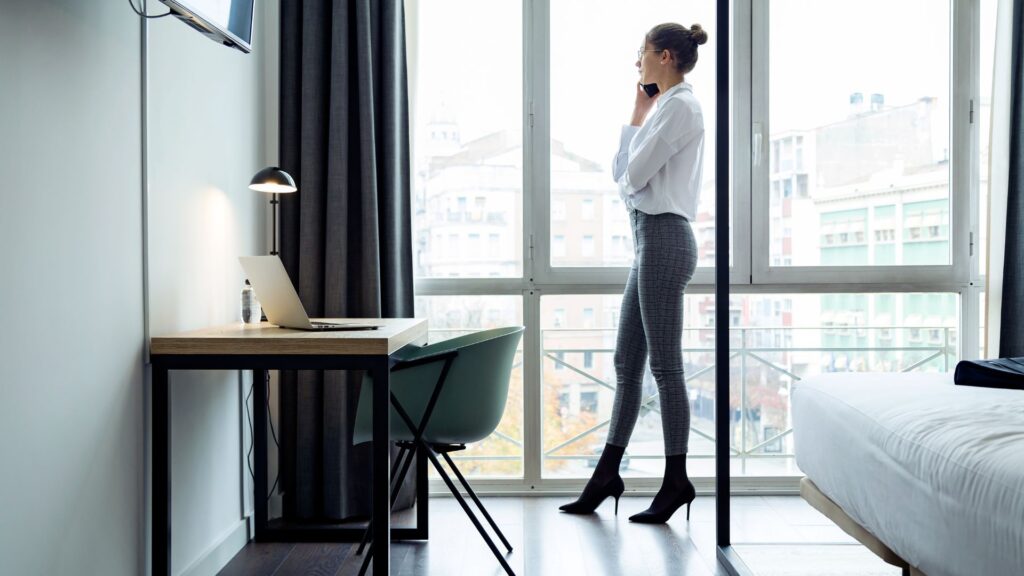
Homes are doing a lot more than they used to. One minute, a room feels like a mini office, the next it becomes a quiet corner for stretching, and later it somehow turns into movie night central. Modern interior design has stepped into a new era where rooms are fluid, not fixed.
Hybrid rooms are popping up everywhere because life no longer happens in tidy little boxes. Work blends into wellness, wellness slips into leisure, and before anyone notices, one space has done the job of three.
This blog dives into why hybrid rooms matter, how they work, and how they’re reshaping the way homes feel.
Why Hybrid Rooms Are Becoming Essential
Life today moves quickly, almost too quickly, and traditional room categories just can’t keep up. A study or guest room that sits unused for most of the year feels pointless now. People want spaces that adapt, respond, and make everyday living easier.
Hybrid rooms do exactly that. They simplify things, especially for homes that need more function without adding more square feet. And honestly, who doesn’t want a room that serves multiple purposes?
Here’s what’s fuelling the rise of these flexible spaces:
- Remote work is becoming a long-term norm
- Wellness routines are happening at home instead of outside
- Families choosing entertainment corners instead of going out
- Smaller homes need smarter interior layout ideas
Put all that together, and people naturally turn to spaces that shift with their moods and schedules.
Designing Hybrid Rooms That Support Work and Focus
A workspace inside a hybrid room has to feel intentional, or it quickly becomes a distraction zone. No one wants a laptop perched on the dining table forever. A good setup makes focus easier and stress lower.
It starts with planning. Not the boring kind, but the kind that makes a room feel calm even on busy days. Ergonomic chairs, hidden storage, foldable desks, and soft lighting help create order without making the room look like a corporate cubicle. Little things like cable organizers or portable screens also make a huge difference.
And here’s a fun detail many people forget. Light. When blinds shift, or lighting dims just right, the room can snap from work mode into something gentler. It’s almost like flipping a mood switch. Spaces that achieve this balance end up feeling like part of the home rather than an office squeezed into a corner.
Blending Wellness Into Multi-Purpose Interiors
A wellness corner doesn’t need fancy equipment. What it really needs is intention. A place where the mind says, “Okay, breathe. Slow down.” Even a small nook can become a calming zone with the right textures and lighting.
Soft rugs, warm neutrals, gentle lamps, and clutter-free shelves all help set the tone. Some people use compact treadmills or foldable mats that disappear once the session is over. Others build tiny meditation spots with plants and diffusers. It doesn’t have to be perfect. It just has to invite stillness.
What matters most is how smoothly this area fits into the room. Hybrid spaces aren’t about separating activities but blending them in a way that feels natural, almost seamless. Good home interior design makes wellness feel like part of daily life rather than something that needs a designated room.
Entertainment Zones That Transform Without Overwhelming the Home
Every home needs a little fun. Hybrid rooms make space for it without letting entertainment take over everything. The trick is subtlety. Let the room transform but not explode into wires, speakers, or bulky furniture.
Concealed media units, projectors that tuck away, movable seating, and storage ottomans are the quiet heroes here. They make the room feel open during the day and lively at night. And when guests show up? A quick furniture shuffle and the space suddenly feels social again.
Sound also plays a role. Rugs, curtains and cushioned seating help improve acoustics while keeping the aesthetic soft. It’s all about balancing entertainment energy with everyday comfort.
How to Make Hybrid Rooms Feel Unified
A hybrid room can do many things, but it should still feel like one room. Unity is what keeps it from looking like a puzzle of random corners.
A cohesive colour palette helps. Soft neutrals with warm accents usually blend well with work, wellness, and entertainment needs. Consistent textures across fabrics and furniture also keep the space grounded. When lighting ties everything together, the room feels curated instead of chaotic.
Dividers like tall shelves, sliding screens, or fabric partitions can gently guide how the space is used without slicing it into awkward sections. A thoughtful mix of interior layout ideas inspired by home interior design is what gives hybrid rooms their sense of calm and coherence. And here’s the quiet truth. The best hybrid rooms feel effortless, even though a lot of thinking goes into them.
Conclusion
Hybrid rooms have transformed how people utilize their homes, converting everyday spaces into dynamic zones that seamlessly transition between work, wellness, and entertainment. They show how interior design can evolve to match modern living, responding to the blend of routines that now fill a single day. With smart planning, the right interior layout ideas, and a few intentional choices inspired by home interior design, anyone can create a room that feels adaptable, inviting, and distinctly personal.
These rooms aren’t a passing trend. They’re becoming the future of home design, especially for those who want comfort, flexibility, and a touch of creativity in their spaces.