
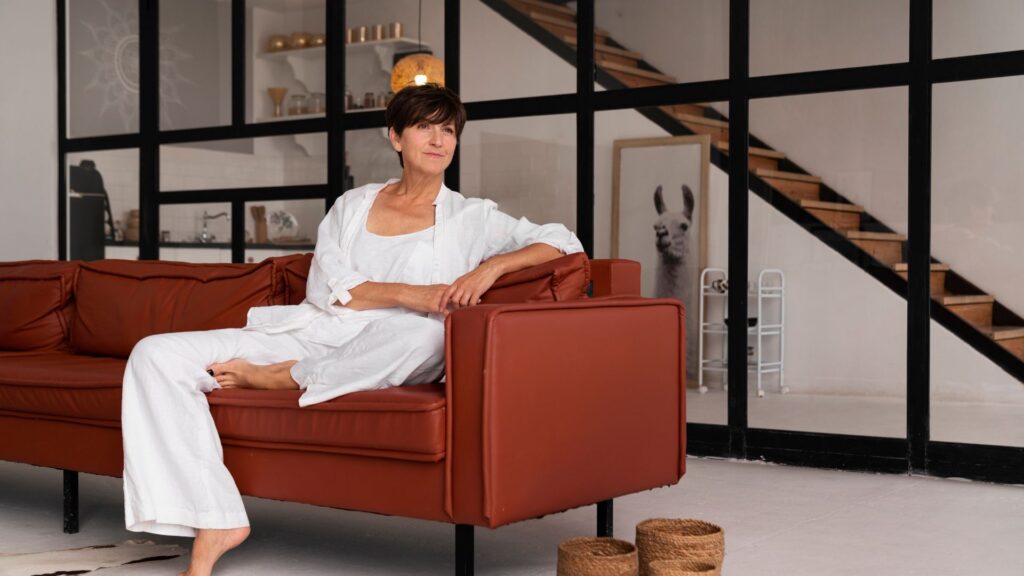
In the world of luxury interior design, two opposing philosophies, minimalist interior design and maximalist interiors, define the aesthetic landscape. Choosing between the calm restraint of “less is more” and the vibrant exuberance of “more is more” is more than just a stylistic decision; it is a choice about the lifestyle, emotional resonance, and personality a home should reflect. For premium homeowners, the ultimate goal is not to adhere strictly to a style, but to find a curated balance that elevates daily living into an experience.
Minimalism: The Art of Quiet Luxury
Minimalist interior design champions simplicity, functionality, and clarity. It is a philosophy that strips away the superfluous, leaving behind only the essential elements of high quality and purpose.
Core Principles of Minimalist Interiors:
- Neutral Palette: The foundation is typically a restrained color scheme of whites, soft greys, taupes, and muted earth tones. These colours create a serene, uncluttered backdrop that promotes mental clarity and a sense of calm.
- Intentional Space and Light: Minimalism places a premium on open, unadorned spaces and the flow of natural light. Windows are often left uncovered or treated with sheer, lightweight fabrics to maximize sun exposure, making rooms feel expansive and airy.
- Quality over Quantity: In a luxury setting, minimalism is never about frugality; it is about intentional investment. Rather than accumulating many items, focus is placed on a few, high-end pieces a beautifully crafted bespoke sofa, a sculptural pendant light, or a single piece of commanding abstract art. The quality of the materials (natural stone, fine wood, high-grade linen) is what provides the opulence.
- Clean Lines and Form: Furniture is chosen for its sleek, geometric forms, often with low profiles and clean, uninterrupted lines that contribute to the room’s overall harmony and structure. Clutter is non-existent, often managed through smart, integrated storage solutions.
The Psychological Impact: Minimalist spaces serve as a sanctuary from the sensory overload of the modern world. They reduce cognitive load and stress, fostering an environment where residents can focus, relax, and practice mindfulness.
Maximalism: A Celebration of Expressive Richness
On the complete opposite end of the spectrum, maximalist interiors celebrate abundance, self-expression, and visual richness. This style is an unapologetic expression of the homeowner’s history, travels, and artistic passions.
Core Principles of Maximalist Interiors:
- Boldness and Saturation: Maximalism embraces rich, saturated colour palettes, think jewel tones like emerald green, sapphire blue, ruby red, or deep mustard yellow. These colours are often used in bold combinations or through “colour-drenching” entire rooms.
- Layering and Texture: The key to successful maximalism is curated layering. This involves mixing and contrasting patterns (florals with stripes, geometric with organic), textures (velvet, silk, brass, lacquer), and materials. This depth creates a visually dynamic, warm, and inviting atmosphere.
- Eclectic Collections: The home is used as a personal gallery. Art is displayed liberally, often in a layered gallery wall format. Collections, souvenirs, books, and antiques are proudly showcased, turning every corner into a rich narrative of the occupant’s life.
- Statement Pieces and Drama: Maximalism thrives on drama. Oversized, ornate, or highly decorative furniture, large chandeliers, and patterned wallpaper on both walls and ceilings contribute to an energetic, stimulating environment.
The Psychological Impact: Maximalist spaces are emotionally stimulating. They are often perceived as warm, comforting, and inspiring, providing an energetic backdrop that fuels creativity and celebrates individuality. For those who thrive on sensory input, maximalism offers a constant source of joy and fascination.
Finding the Balance: Curated Luxury Interior Design
For many owners of premium homes, the perfect aesthetic lies in a harmonious blend of these two opposing forces a thoughtful hybrid often referred to as “Curated Maximalism” or “Soft Minimalism.” The goal is to retain the expression and vibrancy of maximalism while utilizing the clarity and quality focus of minimalism.
Strategies for Achieving Balance:
- Minimalist Foundation, Maximalist Accents: Use the structure of minimalist interior design as your base. Keep walls neutral (white, pale grey, or taupe) and invest in clean-lined, high-quality core furniture pieces (a simple, sleek sofa, a functional dining table). Then, introduce maximalist elements as focal points:
- The Statement Art: A single, oversized, vibrant piece of artwork or a colourful, ornate antique mirror placed on a plain wall.
- The Textured Layer: A single, richly patterned rug or a pair of velvet accent chairs that provide a pop of colour and texture without clutter.
- Intentional Colour Blocking: If you love colour, use a maximalist technique like colour drenching, painting all walls, trim, and even the ceiling in a single, deep, rich jewel tone but keep the furniture minimal. The impact comes from the colour itself, creating drama without visual noise from patterns or excessive décor.
- Use Quality Materials as the Ornamentation: In a luxury interior design context, the materials themselves can serve as the maximalist flourish. Choose rich, figured marble for a kitchen island or a dramatic grain of exotic wood for bespoke cabinetry. These natural textures and patterns are visually stimulating and luxurious, yet inherently grounded in the quality and form valued by minimalism.
- Embrace “Edited” Collections: Display personal collections and meaningful items, but with an edit. Instead of spreading them across many surfaces, group them intentionally: a shelf dedicated entirely to blue-and-white ceramics, or a well-lit vitrine showcasing travel souvenirs. This respects the maximalist desire for storytelling while adhering to the minimalist rule of grouping for clarity.
Conclusion
The debate between Minimalist vs. Maximalist Interiors is ultimately a reflection of personal philosophy. Minimalism offers peace, focus, and timeless elegance rooted in restraint and quality. Maximalism offers energy, personality, and a vibrant connection to one’s personal story. In the sphere of premium homes, the most successful designs transcend strict definitions. They find the balance where a serene, functional backdrop is punctuated by meticulously curated, high-impact statements. Your home should be a bespoke reflection of your inner world—whether that world whispers of quiet luxury or sings with expressive joy.