
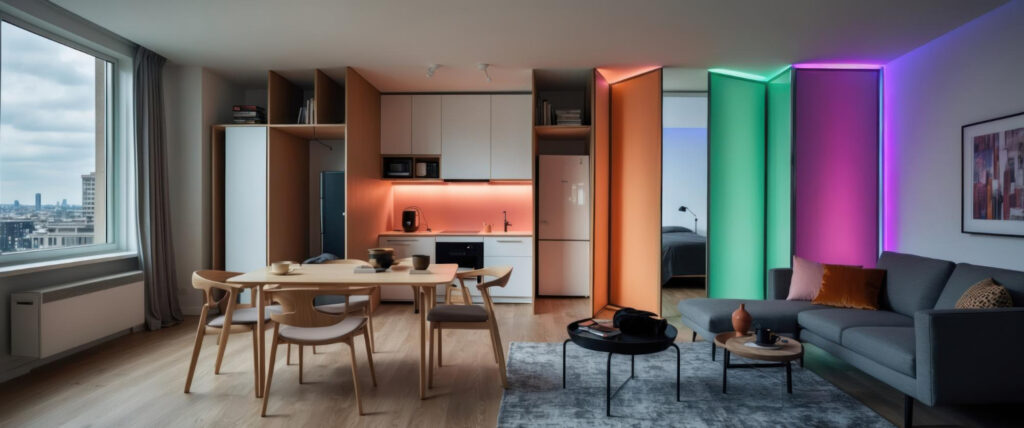
When it comes to interior design, lighting is one of the most underrated yet powerful tools you can use to transform a space. It’s not just about brightening a room, it’s about creating mood, enhancing aesthetics, and ensuring functionality. Whether you’re designing your dream home or upgrading your current space, learning how to use lighting effectively can instantly elevate any room and breathe life into your interiors.
Why Lighting Matters in Home Design
Lighting plays a vital role in shaping how we feel in a space. Proper lighting design can make a small room feel spacious, create a warm and welcoming atmosphere, and highlight architectural features or interior décor. From cosy bedrooms to vibrant kitchens, home lighting ideas are about more than just visibility, they’re about lifestyle, mood, and emotion.
Lighting impacts everything from color perception to room functionality. The right lighting can make wall colors look richer, furniture feel more luxurious, and layouts appear more open. That’s why thoughtful lighting design should be part of any renovation, remodel, or new build project.
The Three Layers of Lighting Design
The foundation of excellent lighting begins with layered lighting design. This means using a mix of ambient, task, and accent lighting to create depth, flexibility, and balance in any room.
1. Ambient Lighting (General Illumination)
Ambient lighting provides the overall illumination of a room. This can come from ceiling-mounted fixtures, chandeliers, or recessed lights. It’s the base layer of your lighting setup, ensuring the space is evenly lit.
For living rooms, bedrooms, and dining areas, use warm white bulbs to create a comfortable, relaxing ambiance. Dimmable lights are a great choice as they allow you to adjust brightness levels depending on the time of day or occasion.
2. Task Lighting
As the name suggests, task lighting is used to illuminate specific areas where focused light is required, such as reading, cooking, or working. Common examples include desk lamps, pendant lights over kitchen islands, and vanity mirror lighting in bathrooms.
Incorporating kitchen lighting ideas like under-cabinet LEDs can improve functionality while also adding a sleek design element. Task lighting should be bright but not harsh, helping you stay productive and focused.
3. Accent Lighting
Accent lighting is all about highlighting specific areas or features. Whether it’s a piece of art, a textured wall, or open shelving, accent lighting draws attention to the elements that make your space unique.
Use track lighting, wall sconces, or uplights to create drama and visual interest. This layer of lighting is key in luxury interior design where architectural features and décor are showcased.
Choosing the Right Light Bulbs
Not all light bulbs are created equal, and the type of bulb you use can dramatically change the way your space feels. Consider these factors when choosing the right bulbs:
- Colour Temperature: Warmer tones are best for cozy spaces like bedrooms and living areas, while cooler tones are suitable for task-focused areas like offices or kitchens.
- Lumens: This measures brightness. A living room might need 1,500–3,000 lumens, depending on size.
- Smart Bulbs: Smart lighting systems let you control color, brightness, and scheduling via apps or voice assistants, ideal for modern lighting design and energy efficiency.
Switching to LED lighting is also a smart choice as it consumes less energy and has a much longer lifespan compared to traditional incandescent bulbs.
Maximise Natural Light First
Before investing in artificial lighting, consider how to enhance the natural lighting in your room. Natural light adds warmth, makes rooms appear bigger, and reduces electricity usage.
Use sheer curtains or blinds that let in light while still offering privacy. Place mirrors opposite windows to reflect sunlight deeper into the room. In home office lighting, setting up your desk near a window not only boosts productivity but also supports better mental health.
If you’re building or remodeling, take window orientation into account. South-facing windows receive the most consistent daylight and can brighten your home throughout the day.
Statement Fixtures as Functional Art
Statement lighting fixtures serve a dual purpose: illumination and aesthetic enhancement. Chandeliers, sculptural pendants, or bold floor lamps can act as the focal point in a room.
For example, a stunning pendant above the dining table or an oversized floor lamp in a corner of your living room can anchor your design theme. When choosing statement pieces, consider both form and function. They should complement your home décor while providing sufficient light.
Add Dimmers for Flexibility
Dimmer switches give you the freedom to adjust lighting based on your mood, activity, or time of day. This small addition can make a massive difference in spaces like bedrooms, dining rooms, and lounges.
Incorporating dimmable lighting ideas allows for greater control and energy efficiency. You can easily transition from a bright workspace to a cosy evening setting with the flick of a switch.
Use Lighting to Define Zones in Open Layouts
In open-concept homes, lighting is an effective way to define different zones without physical walls. Pendant lights over kitchen islands, recessed lighting in seating areas, or floor lamps beside reading chairs help distinguish functions within a shared space.
This is especially useful in studio apartments or modern villas where seamless flow and versatility are key.
Highlight Small Spaces with Smart Lighting
Don’t overlook smaller or utilitarian areas like hallways, bathrooms, or closets. Installing motion-sensor lights in closets, backlit mirrors in bathrooms, or low-profile sconces in hallways adds convenience and sophistication.
For bathroom lighting, make sure you use layered lighting, overhead lights for general use and vanity lighting for grooming tasks. In closet design, LED strip lighting can make a big visual and functional impact.
Play with Light Colour and Shadow
Coloured lighting adds mood and creativity to a space. RGB LED strips behind TVs, under beds, or along ceilings can introduce a vibrant, youthful feel to bedrooms or entertainment areas.
You can also use lighting fixtures with cut-outs or textured shades to cast interesting shadows, adding depth and intrigue to your walls or ceilings. This kind of artistic lighting is popular in contemporary home interiors.
Energy-Efficient and Eco-Friendly Options
With a growing emphasis on sustainability, choosing eco-friendly lighting solutions is important. LEDs use 75% less energy and last significantly longer than traditional bulbs.
Consider solar lighting for outdoor areas or install smart home systems that let you automate and optimise your energy use. Not only do you reduce your carbon footprint, but you also save money in the long run.
Conclusion
Lighting has the power to make or break the ambiance of a room. By understanding how to layer ambient, task, and accent lighting and choosing the right fixtures and bulbs you can easily enhance the style and comfort of your home.
From making small rooms appear larger to creating cosy reading corners and vibrant entertainment zones, using lighting strategically transforms your living space into something extraordinary. Whether you’re planning a major renovation or a simple refresh, don’t underestimate the power of well-planned lighting to elevate your interior design.
If you’re unsure where to start, working with a lighting consultant or interior designer can help you make the right decisions based on your lifestyle and layout. Ready to light up your dream home? Let us help you design lighting that fits your style, function, and vision perfectly. Contact us today for a personalised consultation.