
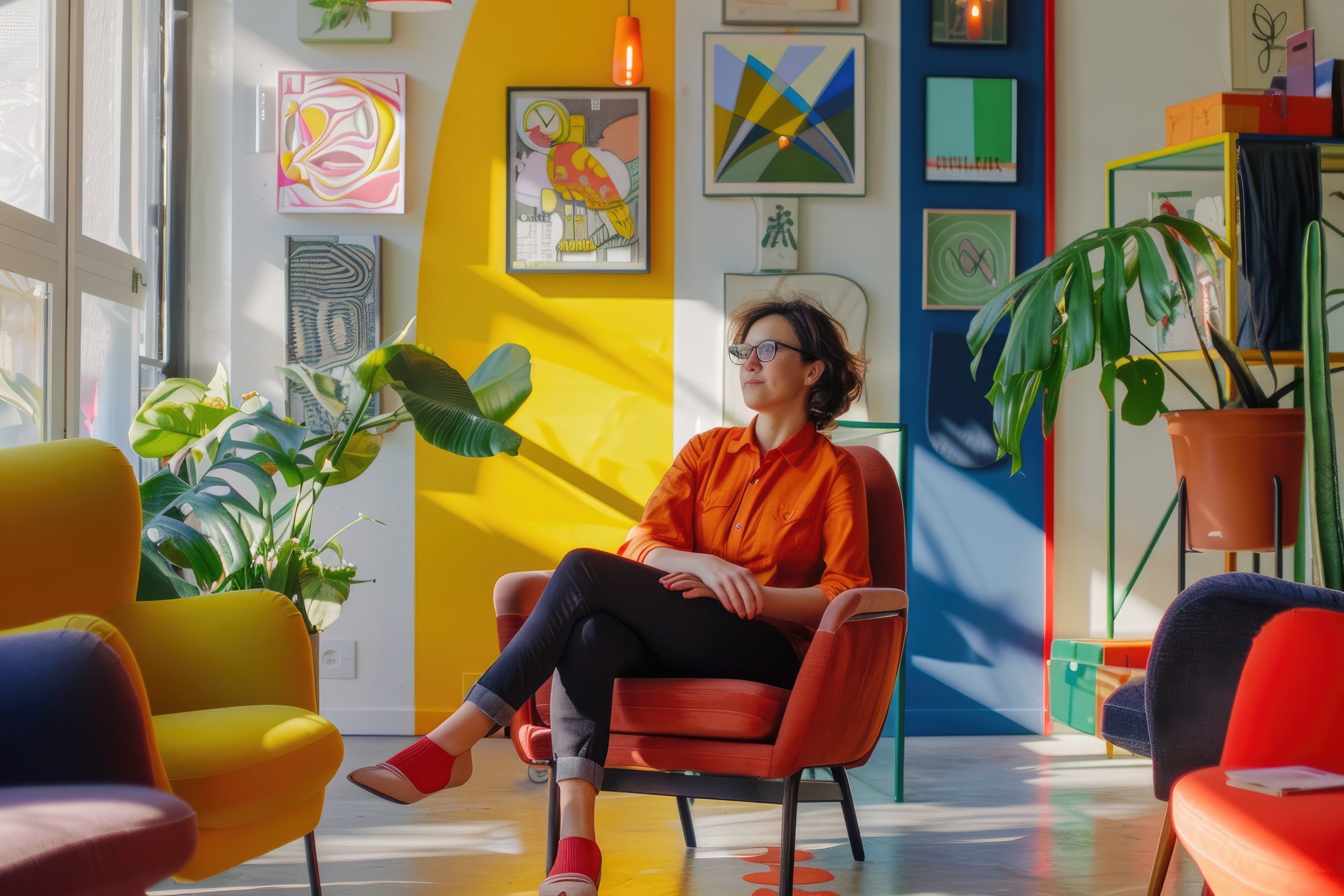
There’s a quiet moment that happens right before a good idea lands. Not the dramatic lightning bolt kind. More like a soft click in the head. The space around you plays a bigger role in that moment than most people realise, and interior design often sits right at the centre of it. Not the flashy, magazine-perfect kind. The lived-in, thinking-friendly kind.
Creative minds work differently. Some need silence that almost hums. Others need texture, colour, a bit of chaos even. And yet, most homes and workspaces are designed for efficiency first, imagination later. Which feels backwards, honestly.
So let’s talk about spaces that help thoughts stretch out a little. Rooms that don’t rush you. Corners that let ideas wander before they settle.
Creativity Doesn’t Like Pressure, But It Likes Intention
Here’s a small truth that doesn’t get said enough. Creativity resists force. Tight schedules, harsh lighting, furniture that feels like it’s judging posture all day. Not helpful.
Creative flow is more likely to show up when the space feels supportive, not demanding. When the room says, take your time. Which doesn’t mean everything has to be soft and muted. It means the design choices feel deliberate without being loud about it.
Think of it like a well-set table. Nothing fancy, but everything is where it should be. That’s the mood. And yes, if you’re reading this and thinking about your own space right now, that’s not accidental.
Light Is Not Just Light, It’s Mood In Disguise
Natural light does something strange and wonderful to the brain. It stretches time. A sunlit room somehow feels slower, calmer, even when work is happening. That’s why creatives often gravitate towards windows, balconies, half-lit corners near curtains.
If full daylight isn’t possible, layering light helps. A main light that’s gentle. A desk lamp that feels personal. Maybe even a warm floor lamp in the corner that exists just to glow. No task. Just presence.
Harsh white lighting can kill a flow state faster than a phone notification. Slight exaggeration, but not by much.
And if the light changes through the day, even better. It reminds the mind that time is moving, but not rushing.
Furniture That Doesn’t Interrupt Thinking
Over-designed furniture can be distracting. Too many sharp lines. Too much perfection. Creative work needs furniture that quietly does its job.
Chairs that support long thinking sessions without constantly reminding you of your back. Tables with enough surface to spread things out. Sketchbooks, laptops, coffee cups, half-finished thoughts.
In home office interior design, flexibility matters more than style statements. A desk that can handle different moods. Sitting. Standing. Leaning. Pacing around it once in a while. The best furniture almost disappears when the work starts.
Texture Matters More Than Colour, Sometimes
Colour gets all the attention, but texture is what makes a space feel alive. Wood grain. Linen curtains. A slightly rough wall finish. A rug that feels grounding under bare feet.
These details anchor the senses. They pull the mind into the present, which is exactly where creative flow lives.
For some, a neutral palette with rich textures works beautifully. For others, a pop of colour in the right place wakes things up. The trick is restraint. Not everything needs to speak at once.
And if something feels a little imperfect, even better. Creativity likes room to breathe.
Personal Objects Are Not Clutter, They’re Cues
A common mistake in workspace interior design is stripping everything down until the room feels empty. Clean, yes. Inspiring? Not always.
Personal objects act like mental bookmarks. A photograph. A book with worn edges. A small object picked up during travel. These aren’t distractions. They’re emotional anchors.
They remind the brain who lives here. Who works here. Why this work matters.
There’s a fine line, of course. Too much stuff can scatter focus. But a few meaningful pieces can quietly support it. One offbeat observation. Creative spaces often look slightly unfinished. And maybe that’s the point.
Zoning The Space, Even If It’s Small
Not everyone has the luxury of a separate studio or spare room. Most creative work happens in shared spaces. Bedrooms. Dining tables. Corners of living rooms.
Zoning helps. A visual shift between work mode and rest mode, even if it’s subtle. A change in lighting. A different chair. A rug under the desk area.
The brain responds to cues. When you sit here, you create. When you move there, you rest. Simple, but surprisingly effective. This is where thoughtful interior design shows its strength, not through size but through intention.
Silence, Sound, and Controlled Chaos
Some creatives need silence so deep it feels like a held breath. Others work best with background noise. Rain sounds. Soft music. Distant city hum.
The space should support that preference. Soft furnishings that absorb sound. Curtains instead of blinds. Even wall hangings can help.
Acoustics rarely get discussed in homes, but they matter. A lot. And if the space allows for a little mess during the process, that’s okay. Creativity isn’t always tidy in the middle. Just make sure there’s a way to reset once the work is done.
Conclusion
Flow state doesn’t arrive on command. It sneaks in when conditions feel right. When the chair doesn’t ache. When the light doesn’t glare. When the room feels like it’s on your side. That’s the real goal here. Not a perfect room. A supportive one.
If you’re thinking of adjusting your own space, start small. One lamp. One surface cleared. One object added back intentionally. Notice how it feels.
So yes, interior design for creative minds is less about trends and more about trust. Trusting the process. Trusting your instincts. Trusting that the space can hold your ideas without rushing them out the door.
In the end, good interior design doesn’t shout for attention. It whispers, stay a little longer. And sometimes, that’s all a creative mind needs.