
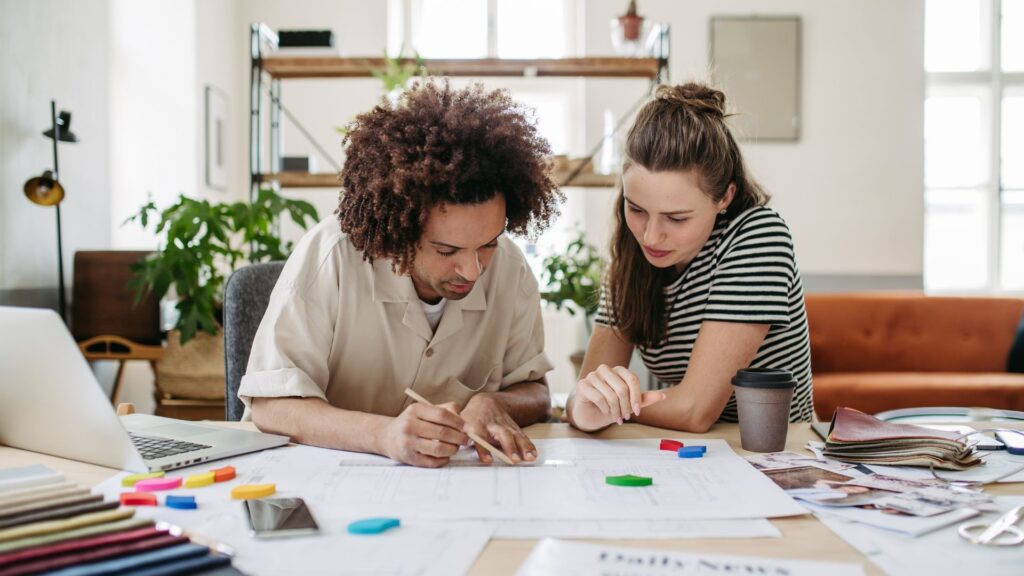
Design conversations usually revolve around materials, colours, furniture, and function. But the quieter truth hiding beneath all that? Personality shapes the way people respond to a room, and interior design becomes far more meaningful when this is understood. Two people can walk into the same home and feel completely different things. One breathes out in relief. Another goes looking for company. Spaces speak differently to each person, and that’s where things start to get interesting.
This blog dives into how introverts and extroverts experience spaces differently, and how thoughtful design can shape layouts that feel right for both.
Quiet Comfort for Introverts
Picture someone who loves slipping into a small café corner with a book, choosing the seat far from the entrance. That same instinct shows up at home, too. Introverted layouts begin with a simple idea: give the mind a place to settle. These spaces aren’t about hiding. They’re about breathing room. A sense of grounding. A gentle pause in a loud world.
Soft lighting helps a lot. Nothing harsh or glaring. Corners that feel a little tucked away also work surprisingly well. A reading nook, a window seat, even a single armchair angled away from foot traffic can feel like a personal retreat.
Introvert-friendly home interior design often includes muted colours, earthy tones, and textures that absorb rather than reflect noise. Rugs, upholstered chairs, and wall panels can keep sound levels pleasantly low. It’s the kind of environment where thoughts land softly, and the world feels just a little slower.
Social Energy for Extroverts
Now imagine someone who lights up the moment guests walk in. Who talks with hands, laughs loudly, and somehow convinces everyone to sit in the same room even if there are four empty bedrooms. That’s the emotional blueprint for extrovert-focused spaces. These layouts thrive on openness. Movement. Flow. Spaces that invite conversation instead of shutting it down.
Think wide walkways and seating clusters that naturally face one another. Think living rooms designed for game nights or kitchens where people gather around while the food’s still cooking. Extroverts love rooms that buzz with activity, so brighter lights, bolder colours, and expressive décor elements usually feel right at home.
Modern interior design often blends functional openness with visual impact, which happens to match extroverted energy perfectly. Central gathering points, shared work zones, and flexible furniture arrangements help keep interactions easy and spontaneous.
Balancing Mixed Personalities
Most homes (and offices) don’t belong entirely to introverts or extroverts. They’re shared. Blended. A mix of quiet souls and social sparks. And that balance can be tricky, but also incredibly rewarding when done well.
Instead of choosing one design personality over the other, a layered layout works beautifully. Quiet zones on one side, lively corners on the other. Visual separation without complete isolation.
Some helpful ideas include:
• Using open bookshelves or tall plants to divide areas without blocking openness
• Adding soft acoustic elements to keep noise from spilling everywhere
• Creating both communal areas and small private pockets within the same environment
Think of a living room where the sofa and chairs face inward for conversation, but a cosy reading spot sits by the window for quieter moods. Or an office with communal tables, but also little retreat pods nearby. People move toward what they need at any moment, instead of being forced into one type of space. Half the magic of thoughtful home interior design lies in these subtle transitions.
Colour Psychology and Sensory Experience
Colours shape the emotional temperature of a space more than most people realise. Ever walked into a room that instantly felt too busy? Or another that made the shoulders drop without knowing why? That’s colour psychology doing its thing.
Introverts usually lean toward soft colours like sage, beige or gentle greys. Shades that quiet the mind. Extroverts often gravitate toward bolder tones, the kind that feel full of personality: warm terracotta, bright yellow, or richer blues.
Textures also play their own role. Natural fabrics and warm woods feel grounding for introverts. Shiny accents or graphic patterns tend to excite extroverts. Even lighting matters. Diffused warmth comforts. Bright, direct lighting energises.
This is where interior design meets emotional science. The middle of the blog deserves one clear point: personality shapes the sensory experience far more than style alone ever could.
Personalisation and Emotional Connection
Spaces feel alive only when they carry pieces of the people living in them. Not clutter. Just meaning. Introverts connect with familiar objects: a curated bookshelf, a small favourite collection, textures that feel comforting. Extroverts often express through bold statement pieces or décor that sparks conversation. Sometimes, both personalities love displaying travel memories or cherished items, just in very different ways.
The beauty of modern interior design is that it can adapt as people grow. A reading corner can become a workspace. A lively entertainment zone can turn into a cosy family area. Homes evolve, and good design allows that evolution without resistance.
Conclusion
Creating spaces for introverts and extroverts isn’t about stereotyping. It’s about recognising how people recharge and how their surroundings quietly influence every mood. When interior design respects personality differences, homes feel naturally supportive, whether someone seeks calm corners or lively gathering spots.
And this is where thoughtful home interior design truly shines, especially as modern interior design continues to focus on personal comfort and emotional connection. In the end, the goal is simple: build environments that feel honest, flexible, and deeply human for everyone who walks through the door.