
Some older villas have an odd charm you can’t really explain in one sentence. They carry stories in their walls, but they also carry problems that homeowners sometimes ignore for years. Adaptive reuse architecture often enters the conversation at this point, even if people don’t always realize that’s what they’re asking for. Turning an ageing villa into a luxury one usually begins with a simple thought: Can this place become something more?
This blog explores the process of transforming ageing villas through adaptive reuse architecture. It looks at how thoughtful design can turn old structures into luxurious, modern living spaces.
Why Older Villas Hold More Potential Than People Expect
Many people assume an old villa is a burden, but in my experience, they often hide strengths you don’t see in newer constructions. Thick walls, richer proportions, mature landscaping. Actually, I used to think these old structures were too stiff to mold into something luxurious, but looking back, it wasn’t completely accurate.
Older villas also come with an emotional value that new builds rarely match.
And yes, this matters because a renovation that respects those origins usually leads to a home that feels grounded and luxurious at the same time.
Understanding the Soul of the Structure
Before anything else, you need to figure out what should stay and what should go. That sometimes takes longer than the actual design stage. Villa renovation often reveals surprising things. A forgotten archway. A skylight covered decades ago. A load-bearing wall that forces you to rethink the entire plan.
One designer I know once said that older villas behave like stubborn relatives. They cooperate, but only after they feel heard. I don’t disagree.
A good assessment phase usually involves:
- Understanding structural limitations
- Identifying natural advantages, like airflow paths
- Checking how sunlight moves through the rooms
- Studying proportions, even imperfect ones
- Spotting hidden features worth reclaiming
Older villas often teach you patience. They also teach you where not to cut corners.
Preserving Character While Adding Modern Comfort
This part is always tricky. Luxury doesn’t mean erasing the original identity. It means elevating it.
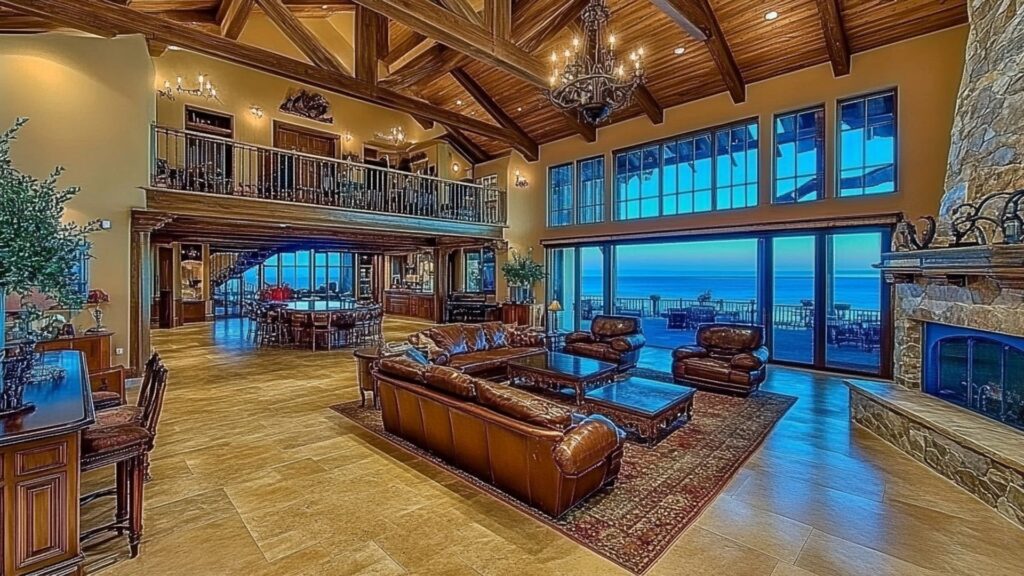
Sometimes a single original element sets the entire tone. Maybe the old wooden beams stay. Maybe the veranda becomes a glass-wrapped lounge. Maybe those hand-laid tiles are polished and framed like a design memory instead of being replaced.
What many don’t realize is that, when you blend the old and the new carefully, the house starts feeling more alive. You get contrast, and contrast goes a long way in luxury interiors.
Still, you can’t cling to everything. The charm is in balance, not nostalgia.
Modern Design Makes the Biggest Impact
There are a few areas where modern updates completely shift how a villa feels. These are usually the first zones clients ask about.
1. Spatial Reconfiguration
Older villas sometimes have too many partitions. Knocking down unnecessary walls instantly changes circulation. The home breathes more.
2. Lighting Strategy
Modern lighting, layered properly, can turn a heavy old room into a softer, warmer space. Even then, natural light remains the hero.
3. Bathrooms and Kitchens
These are usually outdated in older homes. Modern fixtures, clean lines, improved storage, and smart plumbing layouts do wonders.
4. Material Upgrades
Lime plaster, engineered wood, matte stone, handcrafted metal details. Subtle shifts make major psychological differences.
One opinionated remark of mine: A villa pretending to look “new” feels flat. A villa that embraces its age and layers luxury gently on top becomes memorable.
The Middle Stage Where Everything Looks Worse Before Better
Most homeowners panic a bit around this stage. Walls are open. Floors are stripped. The villa looks wounded. But this is also where the idea truly starts forming.
Adaptive reuse architecture becomes more visible now, especially when the designer uses parts of the original skeleton strategically. You may keep a column, restore a railing, reopen an old courtyard, or expose brick that was meant to stay hidden forever.
This stage is noisy, dusty, and sometimes confusing. Most factories still struggle with timelines for custom pieces, which adds a few delays here and there.
But it’s also the most crucial phase.
Adding Luxury Without Losing Authenticity
Luxury is often misunderstood. It doesn’t necessarily mean marble everywhere or massive chandeliers. Sometimes it’s a window placed exactly where the morning light enters. Sometimes it’s a hidden storage wall that keeps the space clean. Sometimes it’s silence created through good insulation.
When converting older villas to modern luxury villas, I’ve noticed a few consistent success factors:
- Retaining at least one meaningful original feature
- Introducing one strong modern gesture
- Creating seamless indoor outdoor transitions
- Using materials that age gracefully
- Designing lighting that adapts throughout the day
These ideas may sound simple, but executing them well is anything but simple.
The Emotional Shift: When Residents See Their New Space
This is my favorite part of any project. After weeks of dust and uncertainty, the structure begins to feel like a home again. You’ll notice people pause more, especially in rooms that used to feel cramped or gloomy.
Actually, some clients walk in expecting to see their old villa with minor upgrades, but what they really experience is something closer to a rebirth.
Reuse architecture in villas is not about saving money or avoiding new construction. It’s about discovering potential you didn’t know was there, and giving it a second life that feels intentional.
Conclusion
Luxury villas born through adaptive reuse have a unique energy. They feel rooted. They feel personal. They also feel surprisingly adaptable, which is something people rarely expect. A project may start with concerns about structural limits, but it usually ends with appreciation for how the old and new coexist.
Adaptive reuse architecture finds its place here again, near the end, reminding us that design has the power to preserve stories while making room for new ones. Homes like these stay with their residents longer, and in a different way. They become places with depth. Not perfect, not brand new, but layered and lived-in. Which, honestly, is the kind of luxury many people are quietly searching for.