
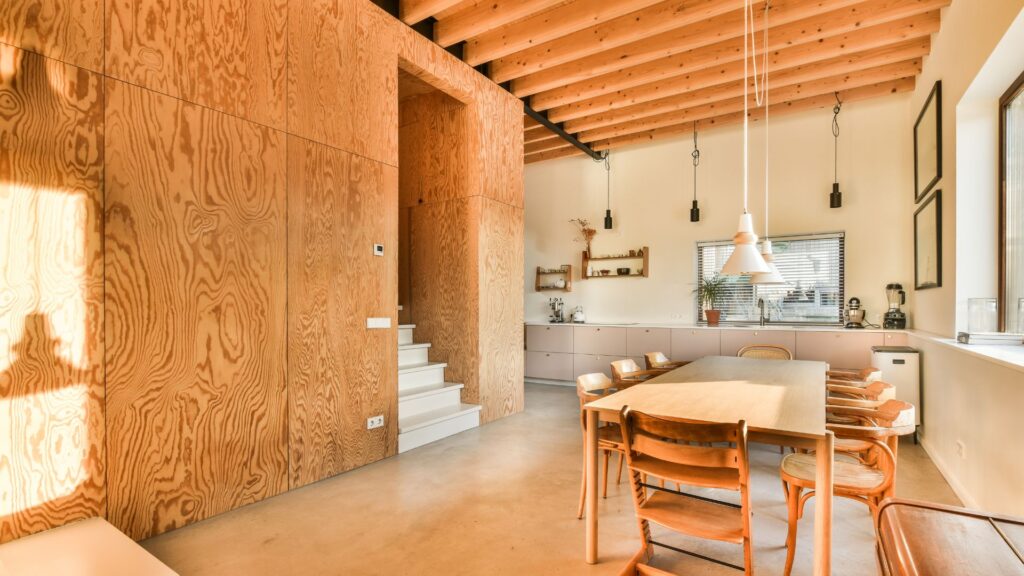
Some homes just feel right the second someone walks in. Everything seems to flow without effort, as if each step naturally guides you toward the next space. No confusion. No awkward corners. Just ease. Calm. Connection. That feeling comes from the quiet magic of flow architecture, a design approach that shapes how people move from room to room without even realising it. When movement feels natural, the whole home feels more welcoming and balanced. And yes, home interior design plays a major role in creating that smooth, instinctive flow.
This blog explores why flow matters, how it influences daily comfort, and how anyone can use it to shape a home that simply feels better to live in.
What Flow Architecture Really Means
Flow architecture is all about how spaces guide movement. It studies how people actually behave inside their homes and how rooms can support those everyday habits instead of fighting them.
Think about it. Ever entered a home where the kitchen is far from the dining table? Or a bedroom sits right beside a loud living room? Those little inconveniences add up. Flow architecture fixes them by creating natural paths and logical transitions.
It is not just about layout. It is about rhythm. When a home moves with its occupants, everything feels easier. Rooms seem more open, lighter, more welcoming. Even small spaces benefit because good flow reduces visual and physical friction.
The Psychology of Movement Indoors
People respond emotionally to how a space is arranged, often without realising it. A home with poor flow feels tense. One with good flow feels supportive, almost intuitive.
Designers observe human movement patterns to understand what makes a space feel good. Humans rarely walk in sharp lines. They prefer curves, open paths, and gentle shifts. That is why curved furniture edges, smooth transitions, and open sight lines feel calming. Narrow doorways, blocked hallways, or sudden turns? Not so calming.
A few guiding principles shape movement psychology:
- Movement should follow natural habits.
- Spaces should clearly signal their purpose.
- Transitions should feel soft, not abrupt.
It is amazing how much harmony appears when rooms are arranged in ways the brain immediately understands. Even apartment interior ideas rely heavily on these psychological cues to keep smaller homes comfortable.
Creating Smooth Transitions Between Spaces
Transitions decide whether a home feels like one connected space or a series of mismatched boxes. Good transitions are subtle. Almost invisible.
A shift in flooring can create a mood change without disrupting the room. A wider doorway can encourage movement between spaces. Even the lighting can lead people gently from active zones into restful ones.
Designers often talk about spatial sequencing. It is a fancy term that simply means arranging rooms to match daily life. For example, the entryway should naturally lead into a drop zone so people do not wander around holding bags and shoes. The living room should blend into the dining space to encourage conversation. Private spaces should sit deeper in the home to feel protected.
When transitions are done well, movement becomes effortless. That is the true essence of modern interior design and a core principle of thoughtful home interior design, where beauty meets behavior.
Functional Zones That Support Daily Rituals
Every home has rituals. Morning routines. Evening slow-downs. Work hours. Play hours.
Flow architecture breaks these into zones that support each activity without interrupting others.
Zoning makes a home feel organised even when life gets messy. It should be possible to walk from the kitchen to the dining table in one smooth step. Social spaces should stay connected, while bedrooms and quiet corners should feel tucked away.
Common zoning strategies include:
- Separating loud areas from peaceful ones
- Keeping high-traffic zones clear of furniture
- Placing storage exactly where it is needed
When zones work together, a home starts feeling like it was designed with actual humans in mind. Even apartment interior ideas rely heavily on zoning because every square foot matters.
How Light and Air Influence Flow
Light and air are the secret directors of movement inside a home. People naturally drift toward brightness, open windows, and fresh air.
Natural light draws people through a space. This is why designers often place windows in key spots that quietly pull movement across rooms. Ventilation paths create a similar effect. When air flows, the home feels breathable, and that sense of openness encourages movement.
Light also tells the body how to behave. Warm light slows things down. Cool light energises. Bright light signals activity zones. That is why work areas, kitchens, and studios usually feel different from bedrooms or lounges.
When used thoughtfully, light and air become part of the choreography of a home. They shape how people move, pause, and settle.
Flow Architecture in Modern Homes
Homes today need flexibility more than ever. Flow architecture has become essential for spaces that adapt to changing routines without losing harmony.
Open layouts still dominate because they let movement flow freely, but designers now pair openness with subtle boundaries. Sliding partitions, layered lighting, and varied ceiling heights help define spaces without shutting them off entirely.
Multi-directional flow is also becoming popular. Instead of one singular path through a room, homes now support circular movement patterns. Think of a living room where multiple doorways create a loop. Or furniture placed in a way that guides movement around, not through, the seating area.
It is a blend of logic and creativity. A hallmark of modern interior design that prioritises comfort, visibility, and ease.
Apartment interior ideas increasingly use these principles too, proving that flow is not reserved for large homes. Small spaces often benefit the most because good flow reduces clutter and stress.
Conclusion
Flow architecture shapes how people experience their homes by guiding movement, easing transitions, and making daily life feel smoother. It blends psychology, function, and the principles of home interior design to create spaces that support real living. When layout, light, and air work together, a home becomes more than walls and furniture. It becomes a place that feels instinctively right, much like the best examples of modern interior design.
As lifestyles evolve, flow will continue to influence how homes are built and redesigned. Because when movement feels natural, life inside the home becomes more enjoyable, more connected, and far more human.