
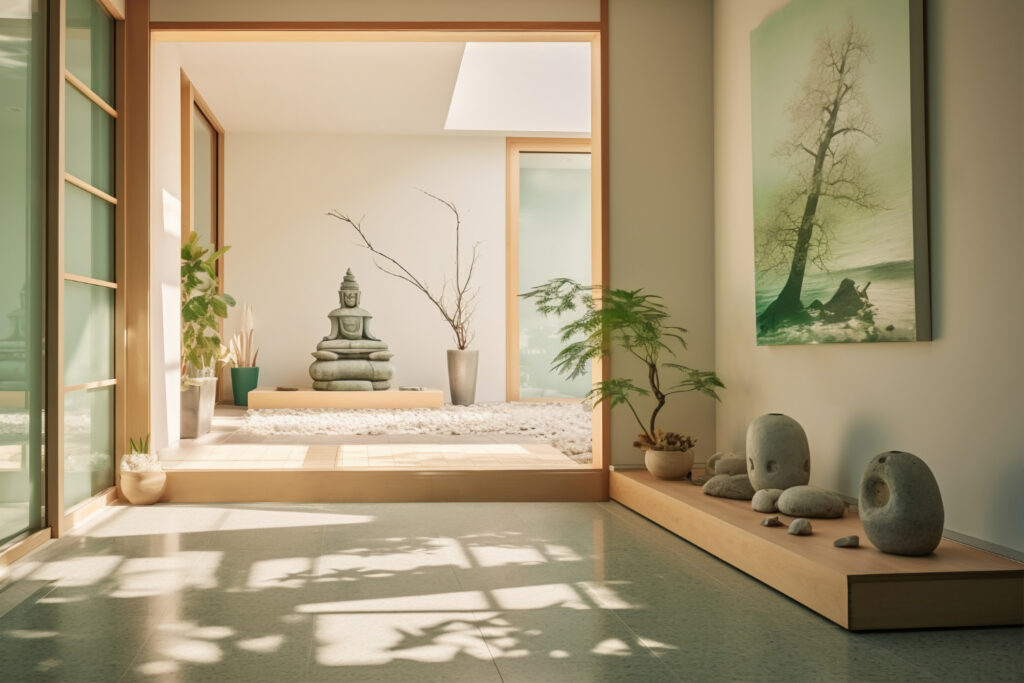
Your home should be your happy place. It’s where you unwind after a long day, spend time with loved ones, and recharge for tomorrow. But have you ever thought about how your living space actually affects your mental health? The way your home is designed can either lift your mood or drain your energy. This is where therapeutic architecture comes in. It’s all about creating spaces that support your emotional well-being and help you feel calmer, happier, and more balanced.
Whether you’re planning to redesign a room or just want to make small changes, understanding how design impacts mental health can transform your home into a true sanctuary.
Why Your Space Matters for Mental Health
Think about the last time you walked into a room that just felt right. Maybe it had plenty of natural light, comfortable furniture, or a view of greenery outside. Now think about a space that made you feel cramped, anxious, or tired. That’s not a coincidence. Our surroundings have a real impact on how we feel.
Studies show that homes with good natural light can help reduce symptoms of depression. Rooms with fresh air and proper ventilation help us think more clearly. Even having a window with a view of trees or plants can lower stress levels. The goal is simple: create a home that doesn’t just look good but actually makes you feel good. When your space works with you instead of against you, everyday life becomes a little easier.
Simple Design Principles That Support Mental Wellness
Let Natural Light In
Sunlight is one of the best mood boosters available, and it’s free. Natural light helps regulate your sleep cycle, gives you energy during the day, and can even improve your mood during darker months. The trick is to maximize the light you already have.
Try placing your bed, desk, or favorite reading chair near windows. If you’re redesigning, think about adding larger windows or even a skylight. For rooms that don’t get much sun, use light-colored walls and mirrors to bounce light around. You can also invest in daylight bulbs that mimic natural sunshine. The difference in how you feel throughout the day can be surprising.
Bring Nature Inside
Humans feel naturally calmer around nature. It’s built into us. You don’t need to turn your home into a jungle, but adding natural elements makes a real difference. Start with a few indoor plants. They clean the air and add life to any room.
Beyond plants, think about using natural materials like wood furniture, stone countertops, or woven baskets. Even small touches like a wooden cutting board or a pebble collection can help. If you have outdoor space visible from inside, make sure those views aren’t blocked. The more you can blur the line between indoors and outdoors, the more peaceful your home will feel. This connection to nature sets the stage for how you move through your space each day.
Create Clear Zones for Different Activities
Have you ever tried to relax in a cluttered room? It’s nearly impossible. When your space is disorganized or every room serves multiple purposes, your brain struggles to switch gears. Creating clear zones helps you mentally transition between activities.
Set up your home so different areas serve different needs. Your bedroom should be for rest, not work. If you work from home, keep your workspace separate from where you relax. Even in small apartments, you can use furniture arrangement or room dividers to create distinct areas. This helps your mind know when it’s time to focus, socialize, or wind down. Having a dedicated spot for peace and quiet becomes especially important for your mental health.
Choose Colors and Materials That Feel Good
Colors affect our emotions more than we realize. Blues and greens tend to make us feel calm, which is why they work well in bedrooms. Warm colors like soft yellows or earthy browns create cozy, comfortable spaces perfect for living rooms. Brighter colors can energize a home office or creative space.
Pay attention to textures too. Natural fabrics like cotton, linen, and wool feel better than synthetic materials. Wood has a warmth that plastic can’t match. Stone feels grounding. When you surround yourself with materials that feel good to touch and look at, your home becomes more comforting. These sensory experiences matter, especially when you’re creating spaces for relaxation.
Meditation Room Ideas That Actually Work
Having a dedicated spot for meditation, yoga, or just quiet thinking can be a game-changer for your mental health. The good news? You don’t need a huge space. Even a small corner can become your personal retreat.
Ideas for Every Home Size
Small Space Solution: Pick a quiet corner in your bedroom or living room. Add a comfortable cushion or chair, maybe a small plant, and keep it simple. The key is having one spot that’s always ready for you to sit and breathe. Avoid cluttering this area with other stuff.
If You Have a Spare Room: Turn it into a meditation space with a view. Position your meditation spot near a window if possible. Add soft lighting, natural materials, and plenty of plants. This becomes your escape room when life gets overwhelming.
Multi-Use Approach: Combine your meditation area with yoga space or a reading nook. Use a folding screen or different lighting to mentally separate the space for different activities. This works great in smaller homes where every room needs to work hard.
Full Sensory Experience: Make your meditation space appeal to all your senses. Soft cushions and blankets for touch. Essential oils or incense for smell. A small water fountain for peaceful sound. Warm, dimmable lights that you can adjust based on your mood. When all your senses are considered, the space becomes truly restorative.
What Every Meditation Space Needs
No matter how big or small, certain elements make meditation spaces work better. Quiet is crucial. If outside noise is an issue, add thick curtains, a rug, or even a white noise machine. Keep the temperature comfortable. You can’t relax if you’re too hot or too cold.
Storage helps too. A small basket for your meditation cushion, journal, or favorite books keeps things tidy. Make the space personal with items that mean something to you. Maybe it’s a meaningful photo, a special stone you found on vacation, or a quote that inspires you. When a space feels uniquely yours, you’ll actually want to use it.
Being Smart About Technology
Technology can help create a healthier home environment. Smart lights can automatically adjust throughout the day to support your natural sleep rhythm. Thermostats can keep your space at the perfect temperature. Sound systems can play calming music or nature sounds when you need to relax.
But here’s the thing: too much technology can hurt your mental health. That’s why creating tech-free zones is just as important. Keep TVs out of bedrooms to sleep better. Make the dinner table a phone-free zone. And definitely keep your meditation space free from screens and devices. These boundaries help you genuinely disconnect and be present in your own home.
Small Changes Make Big Differences
You don’t need to renovate your entire home to improve your mental wellness. Start small and see what works for you. Move furniture to catch more sunlight. Add three plants to rooms where you spend the most time. Clear off surfaces to reduce visual clutter. Set up a simple meditation corner.
Pay attention to how these changes make you feel. Does more light in your workspace help you focus? Do plants in your bedroom help you sleep better? Does having a dedicated spot to sit quietly actually reduce your stress? Your own experience is the best guide.
When you’re ready for bigger changes, look for help from people who understand how design affects mental health. They can help you create a home where every room supports your well-being in ways that fit your lifestyle and budget.
Conclusion
Your home has the power to support your mental health every single day. Through therapeutic architecture and thoughtful design choices, you can create spaces that help you feel calmer, sleep better, and handle stress more easily. It’s not about following trends or spending lots of money. It’s about understanding what makes you feel good and building that into your home.
Start wherever you are. Even small changes can improve how you feel. Your home should work for you, helping you recharge and face each day with a clearer mind and lighter heart. At Space Techniques, we believe in creating spaces that truly nurture your well-being. Ready to transform your home into a sanctuary? Visit spacetechniques.com or follow us on Instagram for more ideas.