
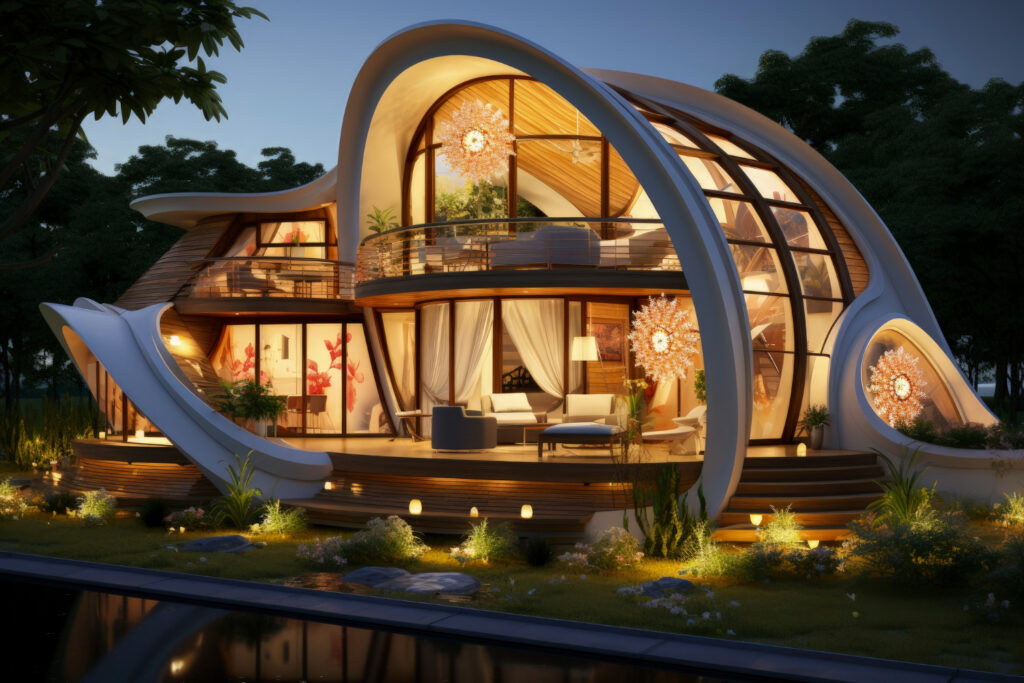
Lighting is much more than a technical necessity within contemporary living spaces. It shapes perception, affects daily routines, and creates the invisible patterns that guide how we interact with our homes. Nowhere is this more apparent than in the thoughtful balance of architectural lighting, where both natural and artificial sources come together to define not only a room’s function but also its atmosphere and identity.
The evolution of modern homes goes hand in hand with advancements in lighting design. Today, architects and interior designers approach illumination as both an art and a science, integrating it into blueprints right from the start. Homeowners increasingly value spaces that feel vibrant by day and intimate by night, with lighting design flexibly responding to their varied moods and activities. In this context, the right fusion of daylight and carefully curated fixtures becomes a defining feature of modern living.
The Foundation: Harnessing Natural Light
Natural light lays the groundwork for successful lighting strategies. Well-placed windows, skylights, and open-plan spaces ensure that each room receives ample daylight without the glaring heat or harsh shadows that can make interiors uncomfortable. Careful orientation of windows and the use of light shelves allow sunlight to filter deep into the home, softening even the most compact floor plans and boosting everyday comfort.
Key architectural choices for enhancing daylight include:
- Orientation: South-facing windows flood living areas with constant light in most climates, while north-facing openings invite a gentler glow.
- Skylights and Clerestory Windows: These bring sunlight to spaces that traditional windows cannot reach, such as hallways or internal bathrooms.
- Reflective Surfaces: Pale flooring and wall colors bounce light deeper into a room, maximizing every available ray.
- Transitional Spaces: Glass doors, translucent partitions, and large openings create seamless flow between rooms and across interior-exterior boundaries.
Not only do these choices create visually appealing spaces, they also contribute to energy efficiency by minimizing artificial lighting needs during daylight hours.
Beyond Illumination: Mood, Health, and Time
Daylight profoundly affects our psychological well-being and circadian rhythms. Homes that embrace natural light have been shown to boost mood, productivity, and even physical health by supporting Vitamin D synthesis and better sleep cycles. The shifting quality of sunlight throughout the day helps give structure and character to a home, gently guiding occupants from energetic mornings to relaxed evenings.
At the same time, a well-articulated architectural lighting plan considers when and how interiors are used. Some rooms benefit from abundant light at all hours, while others need places of respite from the bright intensity outside. Balancing light and shadow ensures spaces feel dynamic, inviting, and crafted for real human use.
The Art and Science of Artificial Lighting
As the sun dips, artificial light takes center stage. In modern homes, creative and technical approaches combine to deliver interiors that transition smoothly from day to night. Selecting and positioning the right fixtures can redefine how a room looks, feels, and functions.
Successful artificial lighting typically balances three distinct layers:
- Ambient Lighting: This base layer provides even, general illumination for daily use. It’s often achieved with ceiling-mounted luminaires, recessed lights, or wall washers.
- Task Lighting: Focused light sources such as desk lamps, under-cabinet strips, or pendant lights over kitchen counters ensure practical working conditions wherever needed.
- Accent Lighting: Directional spots or LED strips highlight artwork, architectural features, or focal points, lending depth and drama to a composition.
Integrating these layers supports comfort, function, and style, making careful fixture selection as essential as furniture or materials. Professional designers and passionate homeowners alike are now seeking out new interior lighting ideas that prioritize both aesthetic and utility.
Innovation in Light Optimization
Recent advances in technology offer fresh possibilities for light optimization. LED lamps, with their low heat output, energy savings, and customizable colors, are now standard in both renovations and new builds. Dimmable controls, motion-sensing systems, and smart automation allow users to adapt lighting at a touch—or even a voice command.
Designers often employ lighting control systems that remember presets for different activities, such as cooking, entertaining, or relaxation. Automated blinds and electrochromic glass can adjust transparency in real time, pairing with sunlight sensors to fine-tune interior brightness all day long.
Benefits of technology-driven optimization include:
- Lower energy bills with highly efficient lighting sources and automated usage patterns
- Improved comfort through personalized, scenario-based lighting settings
- Resilient homes where artificial and natural light combine for consistent ambiance regardless of weather or time
Atmosphere and Personal Expression
Incorporating statement light fixtures is an expressive way to punctuate spaces with personality. Chandeliers above dining tables, sculptural pendants in living rooms, or subtle wall sconces in hallways each bring a layer of artistry and intimacy that transcends illumination alone. Customized fixtures can transform even the most modest room into a unique environment.
Furniture placement and surface materials also interact with lighting. Glossy finishes amplify reflections, while textured surfaces cast soft shadows that add depth. This interplay forms the visual rhythm that gives a home its distinct character—proof that good lighting is never accidental.
Sustainable Choices and Future-Readiness
Eco-friendly lighting design is another pillar of modern practice. Maximizing daylight, specifying energy-efficient sources, and adopting solar-powered technologies collectively reduce a home’s environmental impact. Decisions on fixture durability and end-of-life recyclability reflect growing homeowner awareness of sustainability as a quality marker for luxury and lasting comfort.
The most innovative approaches are now integrating lighting into the very structure of homes. Cove lighting concealed within false ceilings, illuminated handrails, and lights embedded within floors or walls all create seamless experiences that redefine the expectations of modern ambient lighting.
Practical Guidance for Urban Homes
City apartments and compact suburban homes each present unique opportunities and challenges for lighting design. Limited daylight access can be offset with layered artificial schemes. Tricky corners, deep corridors, or windowless bathrooms benefit from creative solutions such as:
- Wall-mounted fixtures that double as art
- Mirror placements that bounce natural and artificial light
- Zone-based dimming to maximize versatility of each area
Ultimately, the right approach always considers how people actually live. The same principles that guide world-class architecture—balance, intentionality, and a sensitivity to context—hold true regardless of project size or budget.
Conclusion
In the world of contemporary design, architectural lighting has risen to become an essential cornerstone rather than an afterthought. Its ability to shape mood, define function, and accentuate beauty makes it one of the most enduring tools for designers and homeowners alike.
The most beautiful and livable modern homes will always be those where natural and artificial lighting work together in harmony, responding to changing needs through the day and across seasons. Artful planning, thoughtful choices, and a willingness to innovate ensure that every room gleams with the pleasure and practicality of well-considered light.