
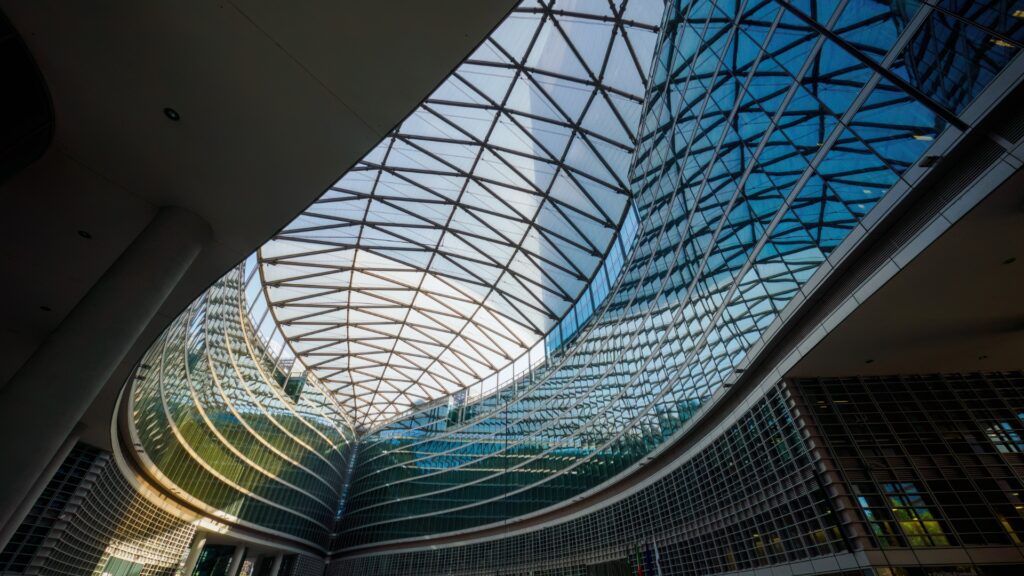
The roots of contemporary architecture go back to the modernist movement of the early 20th century. Simply put, contemporary architecture refers to the style of building that belongs to the present time. It is not tied to one single look or rule; instead, it keeps changing with new ideas, materials, and techniques.
Often, contemporary design also makes use of advanced concepts and modern technologies. Even though it has evolved a lot over the years, it still follows the modernist principle of keeping buildings simple, practical, and functional.
History of Contemporary Architecture
Contemporary architecture began in the late 20th century. It grew from modernist ideas but introduced new materials, technology, and eco-friendly designs. Unlike modernist styles, it is flexible, adapts to culture and environment, and focuses on both function and beauty.
- Became popular worldwide after the 1970s.
- Focus on sustainability with solar panels and smart energy systems.
- Seen in global skylines and everyday homes.
- Famous examples: Burj Khalifa (2009, Dubai) and The Shard (2012, London).
How Contemporary Differs from Modern Architecture
It is easy to confuse “modern” with “contemporary,” but they are not the same.
- Modern architecture
Refers to a movement that began in the early to mid-20th century. It focused on simple, functional designs with flat roofs, industrial materials, and inspiration from the Bauhaus school of design. Think of buildings with straight lines, concrete walls, and large open spaces.
- Contemporary architecture,
On the other hand, reflects what is trending right now. It is not fixed to one era or style. Contemporary designs use newer materials, sustainable techniques, and flexible layouts. For example, curvy shapes, eco-friendly features, and smart technology are often seen in contemporary homes today.
In short, modern is a historical style, while contemporary is a living style that changes with time.
Key Characteristics of Contemporary Architecture
Here are some common features that make contemporary architecture stand out:
- Sustainability & Eco-friendliness
Modern-day buildings are designed with nature in mind. Architects use natural light, cross-ventilation, solar panels, and eco-friendly materials to reduce energy use and pollution. - Open Spaces & Functionality
Contemporary homes often have open floor plans. This means fewer walls and more connected spaces, like a living room that flows into the dining or kitchen area. It makes homes feel bigger, brighter, and more flexible. - Minimalism & Clean Lines
Instead of heavy decorations, contemporary design prefers simplicity. Straight lines, neat shapes, and uncluttered spaces give a sense of calm and order. - Use of Modern Materials
Glass, steel, and concrete are widely used in today’s designs. Glass walls, for example, allow more natural light and make spaces feel connected with the outdoors. - Integration with Nature
Many contemporary homes have gardens, terraces, or balconies that bring greenery closer. Large windows and open courtyards help blur the line between inside and outside. - Technology-driven Design
With the rise of smart homes, technology is a big part of architecture. Automated lighting, climate control, and security systems are becoming common in contemporary spaces.
Why Contemporary Architecture Matters Today
Cities are growing fast, space is limited, and environmental concerns are increasing. Contemporary architecture addresses all these challenges.
- Responding to Urban Challenges: With population growth, architects design homes and apartments that save space without making people feel cramped. Open layouts and multi-purpose rooms help families use their homes better.
- Eco-conscious Living: Climate change has made energy-efficient designs very important. Features like solar power, rainwater harvesting, and natural cooling help reduce the impact on the environment.
- Practical and Human-centered: Contemporary architecture focuses on making life easier. Wide windows for sunlight, proper ventilation, and modern facilities ensure comfort. At the same time, designs are stylish and appealing.
- Future-ready Spaces: Technology is a part of everyday life, so homes are built to support smart gadgets and automated systems.
Overall, contemporary architecture matters because it balances style, function, and sustainability, making it the right choice for today’s and tomorrow’s generations.
Examples of Contemporary Architecture
Contemporary architecture can be seen across the world, from iconic landmarks to everyday homes. It combines modern design, technology, and eco-friendly features.
- Global Examples: The Shard in London (glass skyscraper) and Apple Park in California (futuristic circular office).
- In India: Cities like Bengaluru, Hyderabad, and Mumbai have many contemporary residential and commercial projects.
- Homes & Villas: Features like large glass windows, rooftop gardens, and open living spaces are common.
Contemporary design is not limited to famous buildings; it is now part of apartments and houses, making modern living accessible to many families.
Tips for Beginners to Recognize Contemporary Design
If you want to spot contemporary architecture, here are some quick tips:
- Look for open layouts with fewer walls.
- Notice the materials, glass, steel, and natural textures are common.
- Check for eco-friendly features like solar panels, natural light, and greenery.
- Observe the style, simple, clean, and minimal, yet functional.
Once you start looking around, you’ll easily notice how many buildings today follow these principles.
Conclusion
Contemporary architecture is more than just a design trend; it is a way of building that matches our current lifestyle. It focuses on comfort, sustainability, and adaptability, while also being visually appealing. Unlike older styles, it doesn’t remain fixed but keeps evolving with time, new ideas, and advancing technology.
Whether it’s a big city skyscraper or a small family home, contemporary design is shaping the spaces we live in today. Next time you walk around your neighborhood, observe closely, you might notice many contemporary features already around you.