
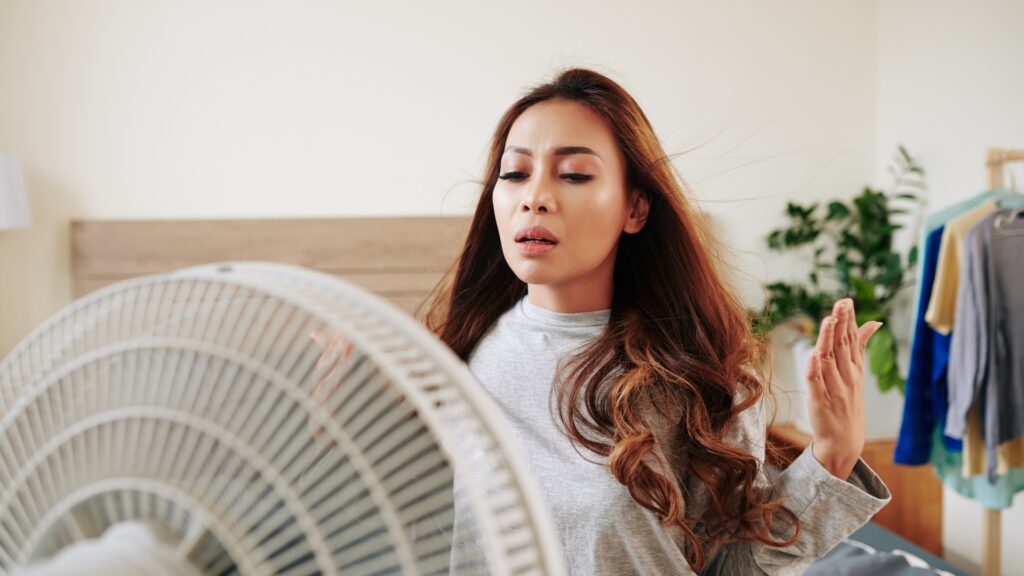
Indian summers are harsh, with temperatures soaring well above 40°C in many regions. While air conditioners have become the go-to solution, they come with heavy electricity bills and a significant environmental impact. The smarter, more sustainable approach? Passive cooling design is a technique that uses nature, building orientation, and material science to keep your home naturally cool without over-relying on artificial systems.
Whether you live in a sprawling villa or a compact apartment, integrating passive cooling strategies can improve comfort, reduce costs, and make your home eco-friendly. In this blog, we will tell you how you can do it.
What Is Passive Cooling and Why Does It Matter?
Passive cooling refers to architectural techniques that maintain comfortable indoor temperatures by minimising heat gain and maximising natural ventilation without the use of active mechanical systems like air conditioners or coolers. It works by leveraging natural elements such as sunlight, wind, and thermal mass.
In India, this is more than a trend, it’s a necessity. Our climate varies from the dry heat of Rajasthan to the humid conditions of Kerala, and a one-size-fits-all mechanical solution is neither energy-efficient nor sustainable. Passive cooling helps in:
- Lower energy consumption by reducing the need for air conditioning.
- Improved air quality through natural ventilation.
- Cost savings on electricity bills.
- Environmental responsibility by cutting carbon emissions.
The Science Behind Passive Cooling
The principle is simple: control how heat enters, circulates, and exits your home. To achieve this, passive cooling uses three key strategies:
- Reduce heat gain through shading, reflective surfaces, and insulation.
- Enhance ventilation by facilitating airflow and allowing hot air to escape.
- Utilise thermal mass with materials that store heat during the day and release it at night when temperatures are lower.
Key Strategies for Passive Cooling in Indian Homes
Below are a few strategies you can implement for passive cooling the environment inside your home.
1. Orientation and Layout Planning
The orientation of your home determines how much sunlight and heat it absorbs. In India, the harshest sun comes from the west. Aligning the longer sides of the house along the north-south axis reduces direct heat exposure.
Cross-ventilation is essential. Position windows on opposite sides of rooms to allow air to flow freely. Villas can include internal courtyards that act as thermal buffers, while apartments can use balconies and ventilation shafts for better airflow.
2. Roof Design and Insulation
Your roof is the primary culprit for heat gain, especially in villas. Traditional lime wash or modern cool roof coatings can reflect sunlight effectively. Consider green roofs for insulation. They not only keep your home cooler but also improve aesthetics.
Another effective method is adding insulation boards beneath the roof slab. For terraces, pergolas with creepers or shade nets can significantly reduce heat exposure.
3. External Shading Devices
Windows let in heat as well as light, so controlling sunlight is crucial. Use overhangs, verandas, or extended chajjas for south-facing windows. For west-facing openings, vertical fins or jaalis (lattice screens) work better. These traditional Indian features allow ventilation while filtering sunlight.
4. Smart Material Selection
Material choice plays a major role in thermal comfort. Walls and floors made from high thermal mass materials like brick or stone absorb heat during the day and release it gradually at night, stabilising indoor temperatures. Light-coloured paints and finishes reflect sunlight, reducing heat absorption.
5. Landscaping and Vegetation
Nature is an architect’s ally in passive cooling. Trees, shrubs, and climbers can reduce surface temperatures significantly. For villas, plant shade trees on the west and south sides. In apartments, vertical gardens or balcony planters can lower heat and improve air quality.
6. Evaporative Cooling with Water Features
Water bodies naturally cool the air through evaporation. Even a small fountain or a clay pot with water in the courtyard can lower surrounding temperatures. For apartments, placing water bowls or mini fountains near windows or balconies can create a cooling effect.
Quick Passive Cooling Checklist for Indian Homes
Here’s a simple action list you can use when planning or renovating your home:
- Orient your home along the north-south axis to minimise harsh sun exposure.
- Install shading devices like overhangs, pergolas, or jaalis for windows.
- Use reflective or white-coated roofing materials to reduce heat absorption.
- Ensure proper cross-ventilation through aligned windows and ventilators.
- Choose materials with high thermal mass for walls and floors.
- Add greenery through trees, balcony planters, or green walls.
- Incorporate water features for natural evaporative cooling.
Does Passive Cooling Work for Apartments Too?
Absolutely. While you can’t control the building’s orientation, you can still make impactful changes. Use external blinds, heat-reflective films, and balcony shading devices to block direct sunlight. Opt for light curtains, avoid heavy drapes, and add indoor plants to naturally cool interiors.
Rooftop gardens and shared green spaces in apartment complexes can also bring down the overall heat index for all residents.
Combining Tradition with Modern Design
Many passive cooling techniques are inspired by traditional Indian architecture—jaalis, courtyards, verandas, and thick walls were all designed to beat the heat naturally. Today, architects blend these age-old ideas with modern innovations like reflective coatings, insulated panels, and automated shading systems for smarter cooling solutions.
Why Invest in Passive Cooling Now?
With energy costs rising and climate concerns intensifying, passive cooling isn’t just an eco-friendly option; it’s a financially sound choice. A well-designed passive home can cut cooling costs by 30–50%, reduce dependence on ACs, and create a healthier, fresher indoor environment.
Moreover, these strategies increase property value. Buyers today look for sustainable, low-maintenance homes. Whether it’s a villa in Bengaluru or an apartment in Mumbai, passive cooling adds lasting comfort and resale appeal.
Conclusion
You don’t have to surrender to the summer heat or live with skyrocketing energy bills. Passive cooling design offers a sustainable, cost-effective solution that makes your home naturally cooler, healthier, and more enjoyable.
If you’re building a new home or planning a renovation, now is the time to integrate these strategies into your design. At Space Techniques, we specialise in creating climate-responsive interiors and exteriors that combine beauty, functionality, and sustainability. Let’s design a home that stays cool naturally.